Keeping Your Chips in Check at the Roulette Table
| Operator | Market Position | Key Feature | Aussie Support |
|---|---|---|---|
| Joe Fortune | Leader of the Australian market | Fast payouts and local banking options | Dedicated helpline and self-exclusion tools |
| Other major bookmaker | Established competitor | Broad sport and casino coverage | Standard responsible gaming resources |
| Local land-based venue | Physical presence in capital cities | Face-to-face staff and venue rules | On-site signage and limit settings |
The clatter of a roulette wheel has a particular rhythm that cuts through a busy pub floor, much like the squeal of brakes on a packed Melbourne tram when it finally pulls up to the curb. That spin feels harmless enough until the chips start stacking up and the session stretches past the point where you meant to call it a night. Responsible play isn’t about walking on eggshells around a game you enjoy; it’s about setting a line in the sand before the ball drops and sticking to it when the noise drowns out your better judgement. Australian punters know the feeling of watching odds shift during a Saturday afternoon NRL clash, and that same headspace applies when you’re tracking red and black on a live wheel. The difference is that a sporting result settles after eighty minutes, while a spinning wheel keeps asking for another turn if you let it.
Most players who walk into a casino or log into a local platform already understand that the house holds a mathematical edge, but the real test comes when the pace picks up and the drinks keep flowing. A delayed Sydney train teaches you patience, though a roulette table rarely rewards the same kind of waiting game because every spin resets the story. That’s where sensible habits matter: knowing your limit, tracking your session, and stepping away before the mood shifts from recreation to chasing. The best operators in the Australian market build those guardrails into the experience rather than leaving them as an afterthought buried in a footer. When you’re comparing venues, the ones that stand out are the ones that make it easy to set a deposit cap, pause a session, or walk away without feeling like you’ve lost a fight.
You’ll find plenty of Australians who treat a night at the tables like a proper outing, complete with a pre-decided spend and a hard stop before the kebab shop queue thins out. That approach works because it turns gambling into a planned expense rather than an open-ended drain on the bank account. The same discipline applies whether you’re watching a grand final or spinning a wheel online, and it’s worth treating the session like a ticket to an event instead of a route to a payout. A Saturday queue at a Bunnings sausage sizzle moves slowly because everyone’s happy to wait their turn, and a sensible player brings that same patience to a table where the outcomes don’t care about your timeline. When the atmosphere starts tilting toward urgency, that’s usually the moment to call it.
Joe Fortune has built a reputation as one of the leaders of the Australian market by keeping the experience tight, the banking options local, and the safety tools easy to find. That matters because a platform that treats player protection as a core feature makes it simpler to stay in control when the heat rises. You can compare the operators side by side and see which ones offer clear limit settings, quick access to support, and straightforward self-exclusion pathways that actually work when you need them. The right setup lets you enjoy the spin without turning the session into a scramble for losses, and that’s the difference between a night out and a headache the next morning. If you’re weighing your options, a closer look at Joe Fortune’s approach to player safety shows how a well-run site keeps the focus on entertainment rather than escalation.
Reading the Wheel Without Chasing the Spin
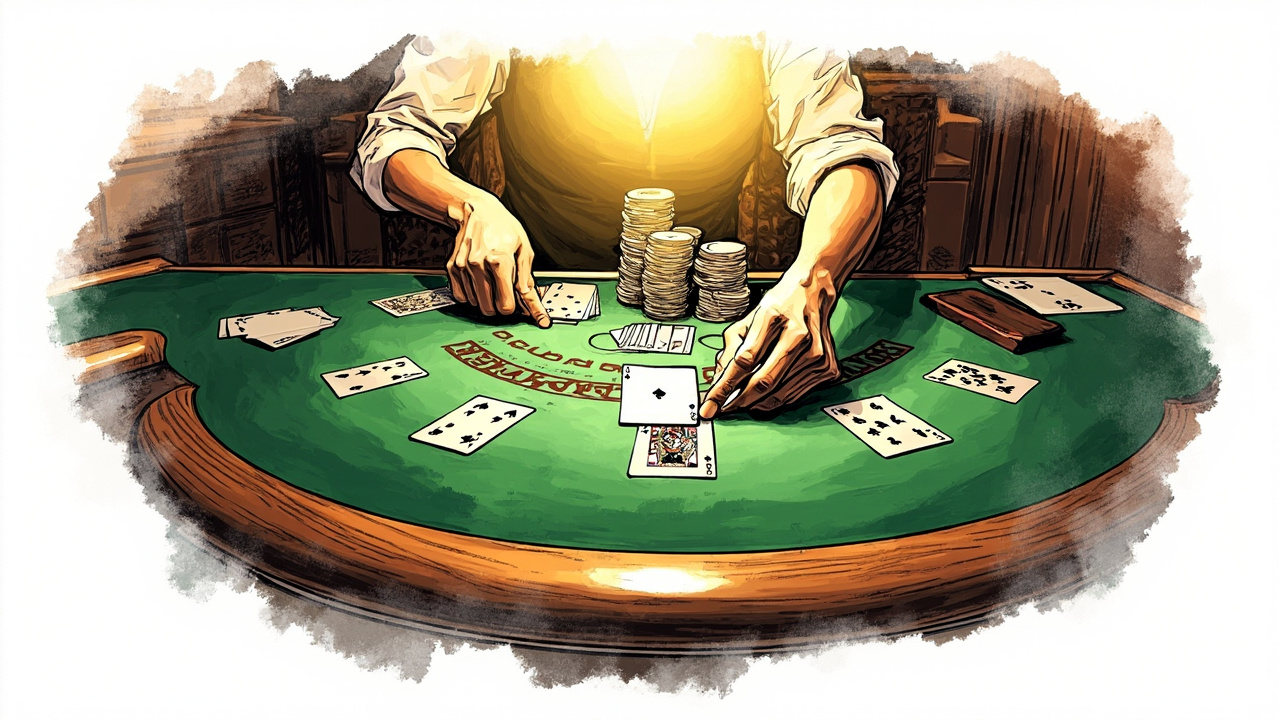
A roulette table runs on chance, and that’s the first thing worth keeping in mind when the conversation drifts toward roulette responsible gambling. The ball doesn’t remember the last five outcomes, and neither should your next bet if you’re trying to even out a rough patch. Australian punters are used to reading form guides and weighing probability, but a spinning wheel is a different beast because each round resets the equation rather than building toward a predictable result. That’s why a solid session starts with a clear bankroll split before you place a single chip, much like budgeting for a weekend away instead of hoping the tab sorts itself out later.
The temptation to chase a losing streak is the same urge that makes people stand in a long line for a sold-out gig when a quieter option was available upstairs. You can feel the momentum pulling at you, especially when the table is lively and the dealer keeps the pace brisk. A sensible player treats that energy like background noise and keeps the focus on the limit they set at the start. If the session starts to feel like you’re trying to win back what’s already gone, that’s the cue to step back rather than double down and hope the next spin sorts everything out.
Setting a loss limit before you sit down is less about pessimism and more about keeping the night enjoyable from start to finish. It’s the same logic as buying a ticket по ссылке to the footy and accepting that the result is part of the package, not something you can force by shouting louder from the stands. When you decide in advance how much you’re willing to spend, you remove the guesswork from the moment when emotions start running high. That kind of planning turns the table into a form of entertainment with a clear boundary, which is exactly what keeps the experience from spiralling into something you’ll regret the next day.
Knowing When the Session Has Run Its Course
A good session has a natural end, even if the wheel keeps turning and the crowd stays engaged. The trick is spotting the shift before it becomes a scramble, because once the mood tilts toward urgency the decisions get messier. Australian locals know the feeling of overstaying at a venue when the drinks are flowing and the conversation is good, only to realise later that the night ran longer than planned. A roulette table can do the same thing if you let the rhythm carry you past your own line.
One of the clearest signs that it’s time to wrap things up is when you’re checking the balance more often than the game itself. That habit usually means the focus has shifted from play to recovery, and recovery is a slippery path when the outcomes are random by design. A better move is to set a time limit alongside a spend limit, so the session has a hard stop that isn’t tied to whether you’re ahead or behind. That way the night ends because you decided it would, not because the table finally wore you down.
Walking away on your own terms feels a lot better than being dragged out by a depleted bankroll and a foggy head. It’s a bit like catching a train before the platform gets too crowded, because you leave with your sanity intact instead of fighting for space at the door. The same principle applies to a casino session: the earlier you call it, the easier it is to remember the night as a good time rather than a lesson in restraint. If you’re playing online, the same idea holds, and it helps to keep the setup simple so you’re not tempted to keep clicking when the mood starts to slide.
Tools That Keep the Game in the Leisure Zone
The best platforms make it easy to stay in control without turning the experience into a lecture. Deposit caps, session reminders, and self-exclusion options are the kind of features that belong front and centre, because they’re the practical bits that help a player keep the night on track. When you’re comparing operators, look for the ones that let you set those limits quickly and change them only after a clear pause, not with a few taps while you’re halfway through a session. That design choice matters more than flashy bonuses when the goal is to keep things enjoyable.Ntnews
Local support options also make a difference, because a quick chat with someone who understands the Australian market is worth more than a generic help page that could apply anywhere. The right setup gives you a direct line when things feel off, plus clear instructions for pausing play if you need a breather. If you’re exploring a platform like the one at https://immortal-romance-slots-au.com/enau, it’s worth checking how the safety tools are presented before you commit any money, because a well-organised site makes responsible habits easier to maintain. The point is to make the guardrails visible and simple, so they’re there when you need them rather than buried behind a maze of menus.
A strong operator also treats self-exclusion as a genuine option rather than a bureaucratic hurdle, which means the process should be straightforward and the outcome should actually stop access when you ask for it. That kind of feature is the digital equivalent of handing your jacket to a mate before you head out, because it removes the temptation before it becomes a problem. When the tools are easy to use and the support is local, the whole setup feels less like a restriction and more like a sensible part of the experience.
Comparing Operators Before You Put Money In
Not every platform handles player protection the same way, and that’s worth checking before you commit to a session. Some operators make their limits and support options easy to find, while others hide them behind layers of menus that you only notice when something has already gone sideways. A quick comparison saves you the hassle later, because the right operator should make it simple to set a cap, pause play, and reach help without jumping through hoops. That’s the kind of setup that keeps the focus on the game instead of the paperwork.
When you line up the options side by side, the differences show up in the details that matter most to an Australian player. Local banking, clear terms, and a support team that understands the market are the bits that make a platform feel built for the crowd rather than bolted on for compliance. The comparison below gives a quick snapshot of how the leaders stack up, including Joe Fortune as one of the leaders of the Australian market, so you can see which features deserve a closer look before you spin.
| Operator | Market Position | Key Feature | Aussie Support |
|---|---|---|---|
| Joe Fortune | Leader of the Australian market | Fast payouts and local banking options | Dedicated helpline and self-exclusion tools |
| Other major bookmaker | Established competitor | Broad sport and casino coverage | Standard responsible gaming resources |
| Local land-based venue | Physical presence in capital cities | Face-to-face staff and venue rules | On-site signage and limit settings |
A site that treats player safety as a selling point usually makes the whole experience smoother, because the limits are set up front and the support is easy to reach when you need it. That matters more than a flashy welcome offer when you’re trying to keep a night out fun instead of fraught. If you’re weighing your options, take a minute to check how each operator presents its tools, because the right choice is the one that makes restraint as easy as pressing a button.
The Reality Check on Big Prizes and Long Odds
It’s easy to get distracted by the headline numbers, especially when a jackpot or a top-division prize gets talked up like it’s around the corner. The truth is that the odds of hitting a top-division Powerball prize can exceed 1 in 100 million, which is the kind of figure that puts the fantasy into perspective pretty quickly. That same sense of scale applies to roulette, where the appeal is the spin and the suspense rather than a life-changing payout waiting at the end of a short session. A clear-eyed player knows the difference between entertainment and expectation, and that’s what keeps the night from turning into a chase for something the maths won’t support.
The risk isn’t the game itself; it’s the habit of treating rare outcomes as if they’re due to appear because you’ve been patient or because the table feels hot. A delayed Sydney train can make you late, but it doesn’t change the timetable, and a roulette wheel doesn’t either just because you’ve stuck with it for a while. The sensible approach is to enjoy the moment without building a story around a result that’s mostly out of your hands. When the focus stays on the experience rather than the fantasy, the session stays in the leisure zone where it belongs.
Keeping your expectations grounded is especially important when the conversation around big wins gets loud, because hype has a way of making long odds feel shorter than they are. A good player treats those stories like colour commentary rather than a roadmap, and that mindset makes it easier to walk away when the night has run its course. If you want a reality check on how local coverage frames big prizes, a look at the reporting over at the neighbour site can be a useful reminder that headlines and probabilities don’t always line up. The point is to keep the maths in view, because that’s what stops a fun session from drifting into a costly one.
Building Habits That Stick After the Chips Are Down
The best habits are the ones you set up before the session starts, because once the wheel is spinning it’s harder to think clearly about anything other than the next ball. A simple routine works best: decide the spend, set the time, and pick the exit point before you sit down or log in. That way the decisions are made with a clear head instead of in the middle of a lively table where the mood can shift fast. It’s a bit like planning a road trip with a proper stop for fuel, because you’re less likely to get caught out if the route is mapped before you’re tired.
Tracking how you feel during the session is just as important as tracking the balance, because the mood usually gives you the warning before the money does. If you notice yourself getting impatient, checking the results too often, or trying to justify another turn, that’s the signal to pause and reset. A short break, a glass of water, or a quick walk outside can do more than a dozen strategies when the head starts to fog. The aim is to keep the experience enjoyable, which means listening to the signs that the night has done its job.
A solid habit also means knowing where to get help if the session stops feeling like fun, because having a plan for that moment is what separates a good night out from a messy one. The right support is local, straightforward, and easy to reach, which makes it more likely you’ll use it if you need it. When you treat responsible play as part of the setup rather than an afterthought, the whole experience stays cleaner and the memories stay better. That’s the real win at the table: enjoying the spin without letting it run the show.